; ?>)


By: energy Posted: November 18, 2021
What is a Chakra and how do they function?
Chakras are the energy centers within your body that govern your physical, mental, and emotional wellbeing. Understanding these chakras, how they interact with one another, and how to recognize when one is out of balance is one of the most direct paths toward lasting health and happiness. In my 25 plus years as an energy healer, I have seen how much a person’s life shifts once their chakras are brought back into alignment, and this article brings together everything I wish every client understood before we begin working together.
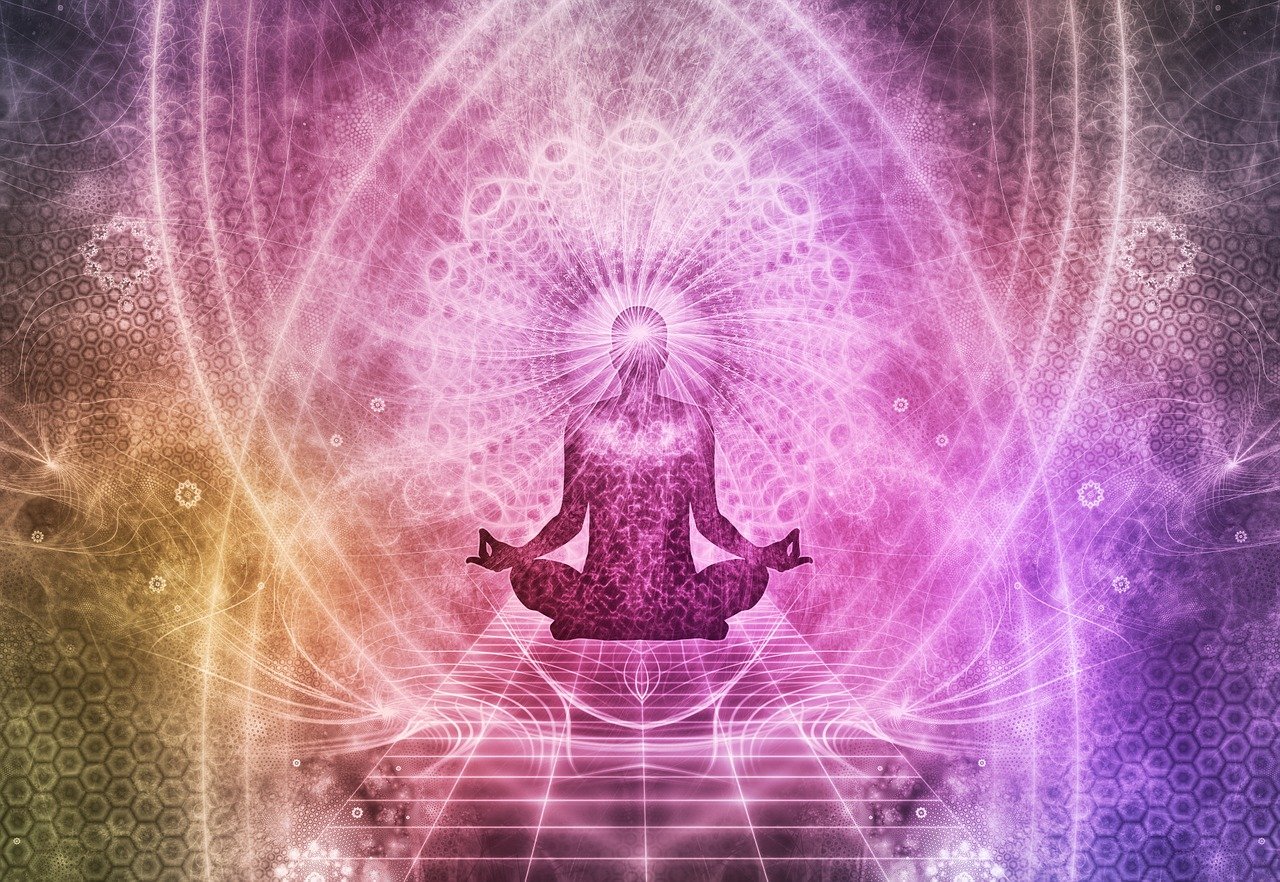
Chakras are the spinning vortices of energy in the body that help you stay balanced and healthy. Chakra means wheel in Sanskrit, and these energy centers are located along the spine from its base to the crown of the head, each corresponding to a different part of the body and a different aspect of your personality. There are seven major chakras, though more than 200 minor chakras exist as well, serving smaller functions such as your sense of smell or sight.
When your chakras are balanced and working properly, you feel at peace, joyous, healthy, and full of love. When they are blocked, underactive, or spinning too fast, it can lead to negativity and stress that touches every area of your health and wellbeing. In this article, I will walk you through where the chakra system comes from, what each chakra governs, how to recognize when one is out of balance in either direction, and everything you can do to bring it back into alignment.
Where the Chakra System Comes From
The chakra system originates in the Vedic and tantric traditions of ancient India, first described in texts going back more than 2,000 years, where the body was understood as a network of energy channels called nadis, with the seven major chakras marking the points where the most significant channels intersect. Over centuries, yogic and tantric practitioners mapped these centers in extraordinary detail, assigning each one a color, a sound, an element, and a specific role in a person’s physical and spiritual development.
Many other traditions describe something remarkably similar using their own language. In the Kabbalistic healing tradition passed down through my own family for 800 years, the body is understood as a vessel for divine light moving through a series of channels, conceptually close to what the chakra system describes as energy centers along the spine, even though the two traditions developed independently and use different names and frameworks for what they observed. Seeing similar ideas surface again and again across very different cultures is part of why I believe the chakra system describes something real about how energy moves through the human body, not just a belief system unique to one part of the world.
How the Chakras Work Together
It is a mistake to think of your chakras as seven separate switches that each operate on their own. They function as a connected system, and energy is meant to flow freely from the root at the base of your spine all the way up to the crown at the top of your head. When one chakra is blocked, the chakras above it often cannot receive the energy they need, and the chakras below it can become overloaded trying to compensate. This is why a blocked root chakra so often shows up as anxiety in the solar plexus or tension in the throat, the disruption travels through the whole system rather than staying contained in one place. This is also why I always look at the entire chakra system together during a healing rather than treating a single chakra in isolation.
Kundalini Energy and the Chakras
Kundalini refers to a powerful, dormant energy said to rest coiled at the base of the spine, at the root chakra. Through consistent meditation, breathwork, and yoga practice, this energy can gradually awaken and rise up through each of the seven chakras in turn, clearing and activating them along the way until it reaches the crown chakra, an experience often described as a profound shift in awareness and spiritual connection. This process is not something to force or rush. A slow, steady awakening supported by daily practice is far safer and more sustainable than attempting to force kundalini energy to rise quickly, which can leave a person feeling overwhelmed or destabilized if the chakras beneath it are not yet prepared to carry that energy.
The Seven Chakras in Full Depth
Each of the seven major chakras extends from the base of your spine to the crown of your head, and each has its own color, sound, element, and role in your physical and emotional life. It is important to understand that a chakra can be out of balance in two different directions. It can be blocked or underactive, meaning too little energy moves through it, or it can be overactive, meaning too much energy moves through it in an unregulated way. Both directions cause real problems, just different ones, and true balance sits in the middle.
1. Root Chakra (Muladhara)
Your root chakra, known as Muladhara in Sanskrit, is located at the base of your spine between your genitals and anus. Its color is red, its element is earth, its seed sound is LAM, and it is traditionally depicted with four petals. It is associated with feelings of safety, stability, survival, self-sufficiency, ambition, and security. This chakra grounds you to reality and helps you see clearly what you want in life.
An underactive or blocked root chakra leaves you feeling unstable, ungrounded, fearful, lacking in ambition, insecure, without purpose, or frustrated and out of touch with life. You might even feel like no one understands you, which can lead to depression. An overactive root chakra shows up differently: excessive materialism, greed, hoarding, resistance to change, or an obsessive need for control and security that never feels satisfied no matter how much you accumulate.
To cleanse and balance your root chakra, try meditating on images that represent home, family, Mother Earth, or the feeling of being safe and grounded within yourself. Repeating positive affirmations helps break old patterns and create new ones, so repeat affirmations related to home and safety such as “I love my body,” “I am financially secure,” “I am safe,” and “The universe will provide for me.” Burning candles and earth-based essential oils such as rosewood, cedarwood, ginger, black pepper, and sandalwood can help open the root chakra, and grounding stones like red jasper, hematite, and black tourmaline are especially effective when held during meditation or carried throughout the day. Give yourself time for reflection each day, whether that means a walk on your lunch break or yoga before work, so you can regain balance first thing in the morning and last thing at night. Standing yoga poses that connect you to the ground, such as mountain pose and warrior poses, support this chakra particularly well. Guided meditation focused specifically on the root chakra also helps, picturing the color red and seeing your root chakra spinning at the base of your spine while you connect with the earth through your legs.
2. Sacral Chakra (Svadhisthana)
The sacral chakra, called Svadhisthana in Sanskrit, is located below your belly button. Its color is orange, its element is water, its seed sound is VAM, and it is traditionally depicted with six petals. It governs creativity, sexuality, personal power, emotional balance, intuition, and physical energy.
A blocked or underactive sacral chakra leaves you feeling frustrated, emotionally hotheaded, low on energy and creativity, manipulative, or obsessed with sexual thoughts. An overactive sacral chakra shows up as emotional volatility, being overly dramatic, using sex or pleasure to avoid dealing with real feelings, or becoming overly dependent on others for emotional validation. When balanced, you feel happy, vibrant, compassionate, intuitive, and satisfied.
The first step to clearing a blocked sacral chakra is noticing where in your life you feel stuck. Many people experience anxiety or depression when this chakra is not working well, and it can even manifest as chronic pain. Focus on finding pleasure in activities that stir up passion, not only sexual ones, without avoiding sensual experiences or using them as a substitute for genuine kindness to yourself. Yoga poses that stabilize the hips, such as bound angle pose and hip circles, help you connect with your physical and spiritual self, paired with mindful breathing to release tension. Aromas like cardamom, eucalyptus, chamomile, spearmint, patchouli, ylang ylang, rose, or clary sage can help awaken this chakra, and orange carnelian or moonstone are especially supportive crystals to keep nearby. Writing or reciting affirmations such as “I have inspiration and creativity,” “I will experience joy and satisfaction,” “I will attract people who will love and support me,” and “I will be able to express myself sexually in a fun and creative way” also supports this work.
3. Solar Plexus Chakra (Manipura)
The solar plexus chakra, known as Manipura in Sanskrit, sits between your navel and the bottom of your rib cage. Its color is yellow, its element is fire, its seed sound is RAM, and it is traditionally depicted with ten petals. It governs self esteem, self confidence, personal power, and your ability to make decisions based on fact rather than fear.
An underactive solar plexus chakra shows up as perfectionism, self doubt, depression, and low self worth, along with difficulty asserting yourself or saying no. An overactive one shows up as the opposite extreme: controlling behavior, arrogance, a need to dominate every conversation, or explosive anger when things do not go your way. Balance here brings genuine confidence, focus, and productivity without needing to control everyone around you.
Meditation is one of the most effective ways to open this chakra. Imagine meditating under a bright yellow light, hold that image for several minutes as energy flows through you, and take deep breaths as you feel that energy move through you and the world around you. Essential oils like rose, chamomile, clove, lemon, and black pepper, added a few drops at a time to a hot bath, help relax the nerves, and citrine or tiger’s eye are especially supportive crystals for building genuine confidence rather than domination. Spend time outdoors in sunlight to be one with nature, practice core-strengthening yoga poses like boat pose and warrior three, and repeat affirmations centered on self acceptance, such as “I believe in myself,” “I am confident that I can achieve all,” “I am successful,” and “I love and accept myself.”
4. Heart Chakra (Anahata)
The heart chakra, known as Anahata, meaning unstruck in Sanskrit, is located in your chest near your heart. Its color is green, sometimes shown alongside pink, its element is air, its seed sound is YAM, and it is traditionally depicted with twelve petals. It is your center of emotions and self love, as well as your ability to give and receive love.
A blocked or underactive heart chakra leaves you feeling closed off, unable to trust others, holding onto grief, or struggling to let people in. An overactive heart chakra shows up as codependency, giving so much of yourself to others that you neglect your own needs, or attaching too quickly and intensely to new people. When balanced, you feel more friendly, compassionate, motivated, and caring, while still maintaining healthy boundaries.
Positive affirmations support this chakra well, whether written as small notes on your bathroom mirror or your computer screen. Repeat phrases like “I am loved,” “My heart is open to love,” “I love and accept myself,” “I live in grace and I am forever grateful,” and “I forgive myself and others.” Healing stones also help, carrying gemstones like rose quartz, green calcite, green tourmaline, or green aventurine can help you tune into its frequency. Backbend yoga poses such as camel pose and cobra pose help physically open the chest where this chakra resides. Chanting mantras also supports the heart chakra, take a deep breath and chant the compassion mantra “om mani padme hum,” aloud or quietly, to link your energy with love.
5. Throat Chakra (Vishuddha)
The throat chakra, known as Vishuddha, meaning pure in Sanskrit, sits at the base of your throat near the thyroid gland. Its color is blue, its element is ether or space, its seed sound is HAM, and it is traditionally depicted with sixteen petals. It governs communication, thought, introspection, honesty, self expression, and dreams.
An underactive throat chakra leaves you feeling quiet, weak, timid, or unable to express your thoughts, while an overactive one shows up as talking too much, interrupting others, gossiping, or being unable to listen. When balanced, it helps you speak honestly with others and yourself, explore your inner thoughts for deeper insight, and write and speak with clarity.
Practicing mindful meditation is the first step toward connecting with your inner truth. Concentrate on your breath, repeating “breathing out” as you exhale, and gently let ideas and distractions pass as they emerge. Repeat affirmations that promote openness and honesty, such as “I am an active listener,” “I am at peace when I speak my mind,” “I am very confident when I speak my mind,” and “I set clear boundaries.” Yoga poses that focus on the breath, including the camel, plow, cat-cow with lion’s breath, shoulder stand, and fish position, can help release tension in the throat and thyroid. Blue lace agate and aquamarine are particularly supportive crystals for this chakra when worn close to the throat. Chanting the mantra HAM, exhaled through your lungs, throat, and mouth, also helps clear this chakra.
6. Third Eye Chakra (Ajna)
The third eye chakra, known as Ajna in Sanskrit, sits between your eyebrows. Its color is indigo, its element is light, its seed sound is OM or AUM, and it is traditionally depicted with two petals. It governs intuition, imagination, higher thinking, and creativity, often described as your sixth sense or clairvoyance.
A blocked third eye chakra can leave you feeling stuck, unable to see a clear path forward, egotistical, or afraid of success, sometimes with physical symptoms like eye strain, blurry vision, or headaches. An overactive third eye chakra can lead to overthinking, difficulty distinguishing intuition from anxiety, an obsession with the mystical at the expense of practical daily life, or a tendency to disregard others’ perspectives in favor of your own visions. When balanced, you feel more vibrant and confident, both emotionally and physically.
Learning to embrace silence is critical to opening the third eye, since it is through meditation that you access your intuition and inner knowledge in a way that feels almost like a whisper. Strengthening your intuition by writing your thoughts and emotions, practicing mindfulness, spending time in nature, avoiding overthinking, and using all five senses to observe the world around you all support this chakra. Crystals that are blue or purple, such as amethyst, sapphire, lapis lazuli, and sugilite, placed on your forehead while lying down and meditating, can help awaken it. Child’s pose and forward folds, which bring gentle pressure to the forehead, are especially helpful for this chakra.
7. Crown Chakra (Sahasrara)
The crown chakra, known as Sahasrara in Sanskrit, sits at the very top of your head. Its color is violet or white, it is not associated with a physical element in the same way the others are since it represents pure consciousness, its seed sound is OM, and it is traditionally depicted with a thousand petals. It represents your sense of individuality and your connection to spirituality, associated with wisdom and cosmic consciousness.
A blocked crown chakra can leave you feeling separate from others, as if you do not belong anywhere, disconnected from a sense of higher meaning, or overly attached to material concerns. An overactive crown chakra can show up as spiritual bypassing, feeling superior to others on a spiritual level, or becoming so absorbed in abstract, cosmic thinking that you disconnect from practical daily responsibilities. When balanced, you feel a genuine sense of wisdom, connection, and peace that does not pull you away from ordinary life.
Repeating positive affirmations helps open this chakra, whether spoken aloud, said mentally, or written down: “I feel connected to my higher self,” “I am complete and divine,” and “I am an extension of my universe.” Mindful breathing, seated in savasana or an upright cross legged position, also helps calm the mind and open the crown chakra, allowing thoughts to emerge and pass without attachment until you feel a sense of spirituality connecting you to your higher self. Burning myrrh, camphor, or frankincense, all known for their illuminating scent, can help you connect to the divine energy this chakra represents, and clear quartz or amethyst are the crystals most associated with this energy center.
How to Know If Your Chakras Are Blocked
When your chakras are not functioning properly, it has a direct impact on your energy levels. You may find yourself lacking motivation or struggling to get through a workday. If you are tired all the time, dealing with chronic illness, or feeling anxious or sad for an extended period, blocked chakras could be the cause. Another sign worth paying attention to is if your dreams and goals seem to take far longer to manifest than you expect, or if you notice recurring patterns of the same problem showing up again and again despite your best efforts to change.
To start healing from blocked chakras, take time to learn what chakra balancing really means and take steps toward aligning your physical self with your mental wellbeing. Most importantly, learn to listen to what you truly want out of life, because everyone deserves nothing less than total fulfillment. It starts from within, so make sure your outer life reflects who you truly are on the inside, and remember that when you treat yourself well, others tend to follow.
Practical Ways to Support Your Chakras Every Day
Adjust your diet to include more foods that match the color of the chakra you are working to balance, incorporating red foods like tomatoes, radishes, watermelon, peppers, and pomegranates when focusing on the root chakra, for example, or orange foods like oranges, carrots, and sweet potatoes for the sacral chakra. Let your instincts guide you when choosing clothing colors too, since specific colors and frequencies resonate with each energy center. If you feel ungrounded, wearing red might help correct that root chakra imbalance, whether as outerwear or something as simple as your undergarments.
Essential oils can also be used to balance chakras, since they vibrate at specific frequencies, applied directly to the skin with an appropriate carrier oil or used through inhalation. Sound is another powerful tool: chanting each chakra’s seed sound, LAM, VAM, RAM, YAM, HAM, and OM in ascending order from root to crown, is a practice used in many traditions to move energy steadily upward through the entire system. And visualization remains one of the most effective tools available: imagine drawing energy up from the earth and clearing each energy center with its corresponding color, tone, and frequency.
Frequently Asked Questions
How do I know which chakra is blocked?
Pay attention to where in your life you feel stuck. Financial fear points toward the root chakra, creative or emotional stagnation toward the sacral, low confidence toward the solar plexus, difficulty loving or connecting toward the heart, trouble communicating toward the throat, lack of clarity or intuition toward the third eye, and a sense of disconnection from spirit toward the crown.
What is the difference between a blocked chakra and an overactive one?
A blocked or underactive chakra means too little energy is flowing through it, leaving you with the deficiency symptoms described above for each chakra, fear, low confidence, difficulty communicating, and so on. An overactive chakra means too much energy is flowing through it in an unregulated way, which causes a different, often opposite set of problems, like greed instead of insecurity, or domination instead of low self worth. True balance sits between these two extremes.
Can more than one chakra be blocked at the same time?
Yes, and this is actually the more common pattern. Chakras work together as a system, so a blockage in one often creates strain in the ones connected to it, which is why a full chakra reading often gives a clearer picture than focusing on just one.
Can I balance my chakras on my own?
Daily practices like affirmations, meditation, mindful breathing, and the techniques described above genuinely help and are worth doing consistently. For a deeper or longer standing blockage, professional chakra clearing can address the root of the imbalance more directly and completely.
What actually happens during a professional chakra clearing?
I connect with your energy field and examine each of your seven chakras individually to identify where blockages or overactive patterns exist. From there, I work to restore proper balance and flow throughout your entire system, rather than addressing just the one area you may have noticed symptoms in, since the chakras function as a connected whole.
Do children’s chakras work the same way as adults’?
Children’s energy systems are still developing, and their chakras can be more sensitive and more easily affected by their environment, especially the emotional atmosphere in their home. The same basic principles apply, but healing work with children is generally gentler and more gradual.
How long does it take to feel a difference after chakra work?
Some people notice a shift within days of consistent practice, while deeper blockages built up over years may take longer to fully clear. Consistency matters more than speed here.
Is kundalini awakening safe to pursue on my own?
Gentle, gradual practices like meditation and yoga are generally safe for anyone. Attempting to force a rapid kundalini awakening without guidance is not recommended, since it can be destabilizing if your chakras are not yet prepared to handle that intensity of energy.
If you would like a free evaluation of your chakra system, you can request a free energy reading here, or if you are ready to begin a full healing, you can order my chakra clearing and balancing services. You can also read what other clients have experienced on my testimonials page, and see my complete range of spiritual healing services if something beyond chakra work is affecting you as well. When you are ready to begin your healing journey, you can book a session with me here.
Related Posts


7 responses to “What is a Chakra and how do they function?”
Very interesting I need help like yesterday
I will like you to help me active my chakra and my spiritual awakening
I really appreciate this and I also need help biw
Wow, what an awesome article! Insightful and helpful. Thank you!
Feeling like I want it and I need help
Overwhelmed and looking forward to know guide myself, I need help
I need chakras reading