; ?>)




By: energy Posted: December 1, 2024
Aura Colors and What They Mean (And How to Read Your Own)
People ask me all the time what color their aura is, usually expecting a quick, tidy answer, one word, one meaning, done. The truth is more interesting than that. Your aura is not a single fixed color sitting there waiting to be named. It is a living field that shifts with your emotions, your health, and your spiritual state, and learning to actually read it, rather than just memorizing a color chart, is where the real value is. In more than twenty five years of doing this work, across more than ten thousand cases, I have never once seen an aura that stayed perfectly still.
What Is the Aura, Really
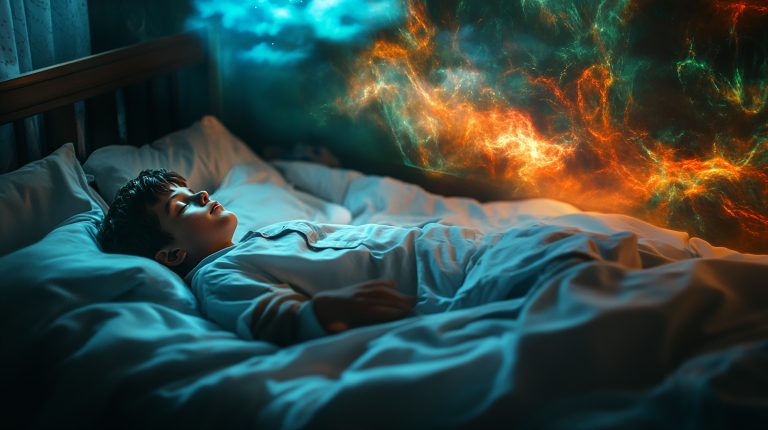
Your aura is the field of energy that surrounds and moves through your body, extending outward anywhere from a few inches to several feet depending on your state. It is not just a spiritual concept invented for comfort. Research out of the HeartMath Institute has measured a real, physical electromagnetic field generated by the heart that extends several feet beyond the body and shifts measurably with emotional state, becoming more coherent during calm, loving states and more chaotic during fear or stress.1 When I describe your aura shifting with your emotions, this is the phenomenon I am pointing to, a real energetic field responding to a real internal state, even if the deeper spiritual dimensions of that field go beyond what a laboratory instrument can measure.
Your aura interacts constantly with your chakras and with the energy around you, acting as a kind of boundary and translator between your inner world and everything outside of it. When that boundary is healthy, you feel protected without feeling closed off, connected without feeling drained. When it is compromised, you feel it, even if you cannot immediately name what is wrong.
The Layers of the Aura
The aura is not one flat layer, it is several, each carrying a different part of your experience. The physical layer sits closest to the body and reflects your physical vitality and health, often the first layer to show disruption when something is physically off. The emotional layer holds your feelings, both the ones you express and the ones you have buried, and tends to show the most movement and color variation day to day. The mental layer reflects your thought patterns and beliefs, the stories you tell yourself about who you are and what is possible for you. The spiritual layer connects you to your higher self and to whatever you understand as divine consciousness, and it is often the layer that feels most distant when someone describes feeling spiritually lost or disconnected. When all four layers are vibrant and working together, you experience real harmony. When even one falls out of balance, it tends to pull the others off with it over time.
How a Weakened Aura Shows Up in Your Life
An unbalanced aura rarely announces itself directly. It shows up sideways, in patterns that seem unrelated until you look at them together. Emotional instability is one of the most common, a tendency toward anger, fear, or sadness that clouds your ability to feel steady joy, even when your circumstances would otherwise support it. Physical symptoms are another, energy blockages in the aura often surface as chronic fatigue or unexplained tension long before anything shows up on a medical test, which is exactly why I always encourage combining this work with real medical care rather than treating it as a replacement for one.
Relationships suffer under a dense or dark aura too, not because anyone is doing anything wrong exactly, but because a compromised energy field tends to create friction, misunderstanding, and a sense of disconnection that neither person can quite explain. Financial and career blockages follow a similar pattern, a persistently low vibration seems to narrow the opportunities that reach you and makes it harder to seize the ones that do appear. And underneath all of it, a disrupted aura tends to create a quiet spiritual disconnect, a sense of being cut off from your higher self or your guides that leaves people feeling lost even when they cannot point to a single cause.
The Colors of the Aura and What Each One Reveals
Aura colors are not arbitrary. Each one carries its own vibrational quality and tends to correspond closely with one of your seven chakras, which is why I read the two together rather than treating them as separate systems. What follows is not a static list to memorize, it is a map for understanding what I am actually looking at when I read someone’s field.
Red connects to your root chakra and reflects strength, passion, vitality, and grounding in the physical world. A clear, strong red signals real physical energy, determination, and a healthy relationship with security and survival. A muddy or dark red tells a different story, often anger that has never been fully expressed, or a nervous system stuck in stress that has not had the chance to settle.
Orange ties to the sacral chakra and carries creativity, joy, emotional health, and sociability. A bright orange reflects genuine enthusiasm and warmth, someone comfortable in their own emotional world. A dull orange tends to show up in people who are creatively blocked or emotionally exhausted, often after a long stretch of suppressing what they actually feel.
Yellow corresponds to the solar plexus chakra, your center of personal power, and reflects optimism, intellect, confidence, and clarity of purpose. A glowing yellow signals real self assurance and mental clarity. A pale or faded yellow often shows up alongside indecisiveness, or a quiet fear of trusting your own judgment.
Green lives at the heart chakra and represents love, balance, healing, and growth. A vibrant green reflects genuine compassion and an open heart, someone in a real season of renewal. A murky or dull green, contrary to what people often assume, more frequently reveals jealousy or an imbalance in giving versus receiving than it does anything sinister.
Blue connects to the throat chakra and governs communication, intuition, calmness, and truth. A bright, clear blue reflects strong intuition and the ability to speak your truth without fear. A dark or cloudy blue tends to appear in people who are holding something back, afraid of what honest expression might cost them.
Indigo reaches toward the third eye chakra and reflects deep intuition, wisdom, and a strong connection to the subconscious. A rich, clear indigo often shows up in people with genuine spiritual awareness and insight into others. A muddy indigo tends to signal confusion or a kind of mental fog that makes it hard to trust your own perception.
Purple sits at the crown chakra, the seat of higher consciousness, and reflects spirituality, wisdom, imagination, and connection to the divine. A bright purple signals a real, active connection to something larger than yourself. A dull purple often appears in people who feel spiritually stagnant, going through the motions without real inspiration.
Pink reflects love, tenderness, and compassion, and often intensifies noticeably in people who have recently fallen in love or are moving through a season of genuine emotional opening. A soft, clear pink reflects real emotional balance. A faded or murky pink more often reveals insecurity, a person who wants connection but is protecting themselves from being hurt again.
White represents purity, divine connection, and protection, and I see it most often around people going through a genuine spiritual awakening or a period of real inner transformation. A bright, clear white signals a strong spiritual connection. A grayish white usually points to spiritual fatigue, someone who has been giving energetically without replenishing themselves.
Gold reflects abundance, spiritual awakening, and a real sense of protection, and tends to appear in people who are aligned with their purpose and moving through life with genuine momentum. It is one of the higher vibration colors I look for when someone asks whether their energy is actually shifting in the direction they are working toward.
Silver reflects intuition and nurturing energy, often showing up brightest in people going through real psychic or spiritual development. A dull silver, by contrast, tends to reveal confusion or a lack of clarity about which direction to trust.
Turquoise reflects dynamic energy and a genuine balance between emotion and intellect, often present in people doing real healing work, whether for themselves or others. A vibrant turquoise tends to show up alongside strong communication and a creative, healing presence.
Brown reflects stability, grounding, and practicality, useful qualities in the right measure. A muddy or dark brown, however, usually signals stagnation, a person who has become so grounded in routine that they have stopped growing, or who is holding onto negative energy they have not yet released.
Black is often misunderstood. It frequently signals energetic shielding or protection rather than anything inherently negative, though it can also point to unresolved trauma or a need for deeper healing and clearing of dense, stuck energy. Reading black in someone’s field always requires more context, not less, before drawing a conclusion.
Gray tends to reflect uncertainty, fear, or a transitional phase in someone’s life. It often shows up in people standing at a genuine crossroads, unsure which direction to take, carrying unresolved emotion they have not yet had the space to process.
Violet is often mistaken for purple, but I read it as its own, rarer vibration, sitting at the crown chakra alongside purple but carrying an even higher, more refined frequency. A clear violet tends to show up in people moving through genuine spiritual transformation, someone actively shedding an old identity for a new one. A dull or grayish violet often points to someone caught in that same transformation without yet having the tools or support to move through it fully.
Magenta reflects nonconformity, independence, and a strong personal vision, someone who genuinely does not need external validation to know who they are. A bright magenta signals real self trust and an original way of seeing the world. A faded or murky magenta often shows up in people who have started to suppress that individuality, usually to fit in or avoid conflict with people around them.
Rainbow auras are their own recognized category rather than simply several colors appearing together. A genuine rainbow aura, several distinct, clear colors present at once across the field, tends to show up in natural healers, teachers, or people who move fluidly between very different roles and energies depending on what a situation calls for. It is one of the rarer patterns I encounter, and when it appears clearly rather than as a muddled mix, it usually reflects someone with real versatility in how they connect with others.
Dark or cloudy versions of any color generally point to the same underlying story, a blockage, unresolved emotion, or negative energy that has settled into the field rather than moving through it. The specific color still matters for understanding which part of your life or which chakra is most affected, but the cloudiness itself is the signal that something needs attention.
What Science Adds to This Picture
Real, peer reviewed research does show that color affects the body physiologically, which adds a genuinely interesting layer to what I observe in a reading. Older studies going back to the 1970s found that red produced measurably more physiological arousal than blue or yellow, and more recent research using virtual reality environments has confirmed that exposure to red tends to increase skin conductance and heart rate compared to blue, both signs of heightened arousal.2 It is a small but genuine window into why color carries the emotional and energetic weight it does, even before you factor in the deeper spiritual dimension of what I actually read in a session.
What I read when I work with a client comes from direct energetic assessment, connecting to your field and perceiving what is actually there. That is the foundation of this work, and it always has been.
How I Read and Restore Your Aura
When I work with a client, I begin by connecting to their energy field directly, either in person through the reading or remotely using a recent photo and a description of what they are experiencing. I am looking for where the color has dulled or clouded, which layer is carrying the disruption, and which chakra the imbalance is tied to, since the three almost always move together. From there, the work is to clear whatever has settled into the field, whether that is old emotional residue, negative energy, or simple stagnation from a long period without attention, and restore the natural vibrancy and movement your aura is supposed to have.
This is not a one time fix so much as an ongoing relationship with your own energy. I walk clients through how to maintain what we restore together, since an aura that gets cleared once and then neglected tends to drift back toward imbalance the same way any part of your health does without upkeep. If you want a deeper look at the healing process itself, I go into it fully in my article on what aura healing is and why it matters, and if you are ready to have your own field assessed, you can learn more about a session on my aura healing service page.
Frequently Asked Questions
What color is my aura?
Most people have a dominant baseline color that stays relatively stable over time, layered with temporary colors that shift based on your current mood and circumstances. The only way to know for certain is through a direct reading, since your aura is far too dynamic to guess accurately from a quiz or a static chart.
Can my aura color change?
Yes, constantly. Your baseline color tends to shift only around major life transformations, but the colors layered on top of it change with your emotions, your health, and the energy of the people and places around you day to day.
Can I see my own aura?
Some people develop the sensitivity to perceive auras with practice and quiet attention, though most people sense an aura more than they visually see one, a feeling of heaviness or lightness around someone before any conscious thought forms. A trained reading gives you a far more reliable answer than trying to see it yourself.
Is a black or gray aura a bad sign?
Not automatically. Black often reflects protective shielding rather than anything negative, and gray frequently points to a transitional phase rather than a problem. Context always matters more than the color alone.
How often should my aura be cleansed?
It depends entirely on your life and environment. Someone moving through a difficult period, surrounded by heavy energy, or going through a major transition benefits from more frequent attention than someone in a stable, calm season of life.
Can more than one color show up at once?
Yes, and it is actually more common than a single uniform color. Different layers and different areas of your field often carry different colors simultaneously, which is part of why a genuine reading takes real attention rather than a quick glance.
Your aura is a real, dynamic reflection of everything you are carrying, physically, emotionally, and spiritually. When you understand what it is telling you, you gain a genuine tool for self awareness, not just a pretty metaphor. If you are ready to find out what your own field is showing right now and clear what no longer serves you, you can book a session with me here, and I would be glad to show you what past clients have experienced on my testimonials page in the meantime.
Sources referenced:
1. McCraty, R. (HeartMath Institute), “Energetic Communication,” Science of the Heart. heartmath.org
2. Effects of environmental colours in virtual reality: physiological arousal affected by lightness and hue, Royal Society Open Science. pmc.ncbi.nlm.nih.gov
Related Posts